
About
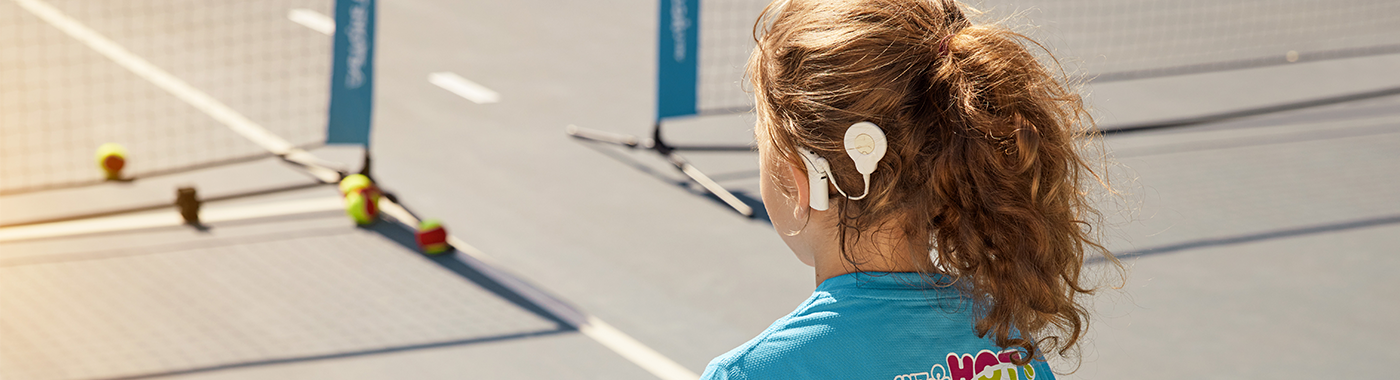
Deaf & Hard of Hearing Tennis is an adapted form of the sport designed so people who are deaf or have hearing loss can play, compete, and enjoy tennis. It follows the same basic principles as traditional tennis, but with thoughtful modifications that help players communicate, follow the game, and stay safe on court. Players benefit from visual cues such as hand signals, light‑based starting signals, visual scoreboards, and clear line‑of-sight positioning. Coaches may use Auslan (Australian Sign Language) or other signed instruction, demonstrations, and written or visual prompts to support learning and confidence. The game can also be adapted in clubs and competitions to include communication plans and accessible officiating, ensuring all players can participate fully, fairly, and enjoyably.
Deaf and Hard of Hearing Tennis Eligibility
| Code | Hearing level loss | Eligibility | Tennis Australia events |
| AU0 | 0-39 dB 3FAHL | Not eligible to compete in DSA- or ICSD- approved events |
|
| AU1 | 40-54 dB 3FAHL | Eligible to compete in DSA- approved events e.g.: Australian Deaf Games, National Deaf Championships |
|
| AU2 | 55 dB or more 3FAHL | Eligible to compete in AU1 events plus ICSD- approved events e.g.: Deaflympic Games, World Deaf Championships and Australian National Sporting Organisation controlled events |
|
Rules & Adaptations
- Visual start signals: Light, hand, or flag signals replace auditory cues like whistles or “Play” calls.
- Visual scorekeeping: Scoreboards, hand signals, or digital apps help players track the score.
- Line-of-sight positioning: Ensures players can see signals from coaches, officials, and other players.
- Communication plans: Pre-agreed signals between doubles partners or coaches for safety and strategy.
- Inclusive officiating: Umpires may use visual signals instead of verbal calls to indicate faults, lets, or points.
- Demonstration-first instruction: Coaches use demonstration before verbal instruction to enhance understanding.
Equipment & Supports
- Visual cues: Lighted or flag systems for serve starts and time signals.
- Scoreboards / apps: Large, clear displays to show match scores.
- Signage & cue cards: Written or visual prompts for rules, drills, or exercises.
- Adapted coaching tools: Cones, markers, and colored balls for enhanced visibility and tracking.
Get In Touch
For more information, contact [email protected].
 NSW
NSW